
Healthy Breakfast Ideas: 16 Easy Options for Busy Mornings
A good healthy breakfast comes down to a short formula: some protein, some fiber, a bit of fruit or vegetable, and not much added sugar. The 16 ideas below all fit that formula. They’re sorted by how your morning actually goes, whether you have two minutes, a Sunday afternoon to prep, or a quiet Saturday.
After the ideas, there’s a section on setting up your kitchen so the healthy option is the one within reach, because that matters more than most people expect.
What Makes a Breakfast Healthy?
Mayo Clinic describes a healthy breakfast as a mix of complex carbohydrates, fiber, protein and a small amount of healthy fat, and suggests drawing from at least three of four groups: whole grains, lean protein, dairy, and fruits and vegetables. (Search the title, since the URL may differ on their site; link the live page when you publish.)
Here is how to use that without turning breakfast into homework:
- Start with a protein you like. Eggs, yogurt, cottage cheese, tofu, beans or nut butter all count.
- Add something with fiber. Oats, whole-grain bread, fruit, vegetables, chia or flax.
- Check the sugar. This one trips people up most often, and it’s where the newest guidance is specific.
The added sugar number worth knowing
The federal 2025–2030 Dietary Guidelines, released in January 2026, say no single meal should contain more than 10 grams of added sugar, roughly two teaspoons. That’s a tight limit. A flavored yogurt, a bowl of sweetened cereal or a bakery muffin can pass it in one serving.
On a Nutrition Facts label, look at the “Includes Added Sugars” line, not total sugars. Total sugars also count the natural sugar in fruit and milk. The FDA’s Daily Value for added sugars is 50 grams, so 10 grams is 20 percent of it. The Daily Value for fiber is 28 grams.
Labels can mislead on yogurt in particular. A dietitian at Henry Ford Health points out that two similar-looking containers can contain very different amounts of added sugar. Plain yogurt with your own fruit sidesteps the problem.
So what is the healthiest breakfast?
There isn’t one. The healthiest breakfast is a plain-ingredient meal with protein, fiber and little added sugar that you’ll actually eat on a Tuesday. Eggs with vegetables and toast qualify. So do oats with nut butter and fruit, or cottage cheese with berries and walnuts.
On amounts, dietitian advice for protein and fiber at breakfast varies. There is no official target for each meal. A helpful test is simple. Are you comfortably full until lunch without a 10 a.m. snack?
Do you have to eat breakfast at all?
Not necessarily. A 2019 BMJ review of randomized trials found no good evidence that eating breakfast helps with weight loss, and a small average difference in weight favored people who skipped it. That doesn’t prove skipping is better for everyone, and the authors noted breakfast could matter in other ways. If you’re not hungry first thing, eating a bit later is a reasonable option. If you are hungry, the ideas below are there for you.
Easy Healthy Breakfast Ideas When You Have Five Minutes
These need little or no cooking. They suit weekday mornings, and they work best if you keep the ingredients stocked.
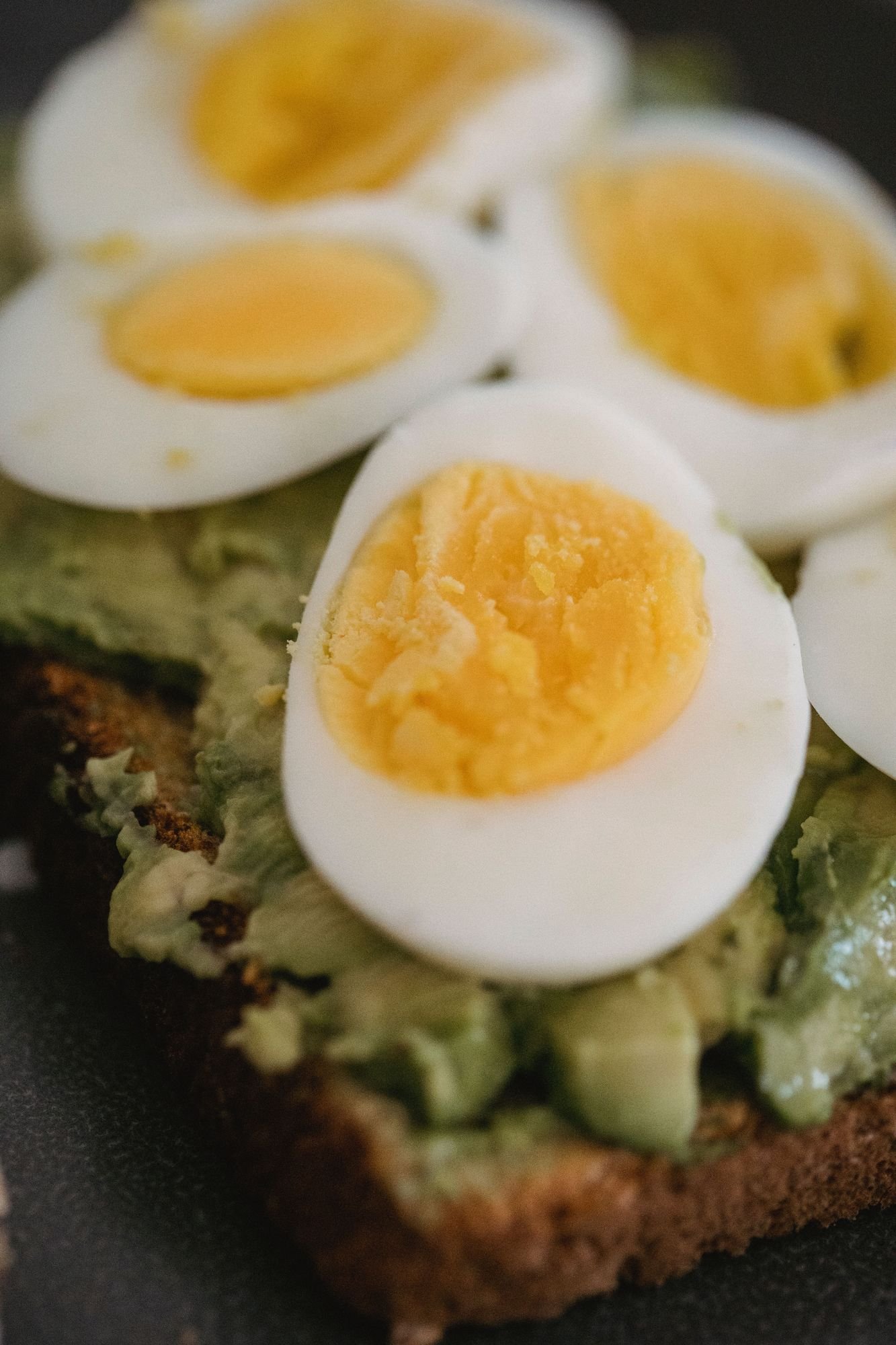
4. Egg and avocado toast: A fried or soft-scrambled egg takes about three minutes. Mash the avocado with lemon and salt, and spread it on whole-grain bread. Buying bread labeled “whole grain” as the first ingredient matters more than the brand.
5. Fruit, cheese and whole-grain crackers: Not glamorous, but it works for people who dislike traditional breakfast food. An apple, a few slices of cheese and crackers with real fiber make a fair plate in under two minutes.
Make-Ahead Healthy Breakfast Ideas
Mayo Clinic’s wellness team makes a simple point: you likely have time for breakfast, just not in the morning rush. Batch cooking solves that. Most of these hold up for several days.
9. Freezer breakfast burritos. Scrambled eggs, black beans, salsa and cheese in a tortilla. Let the filling cool before wrapping, wrap each burrito individually, and freeze. The tortilla matters: the new guidelines call out flour tortillas among refined carbohydrates to limit, so whole-grain tortillas are a better pick.
How long do make-ahead breakfasts keep?
The USDA’s food safety agency says cooked leftovers keep 3 to 4 days in the fridge, at 40°F or below. They should be refrigerated within two hours of cooking, and reheated to 165°F. Freeze what you won’t eat within that window.
Make-ahead item Fridge Freezer
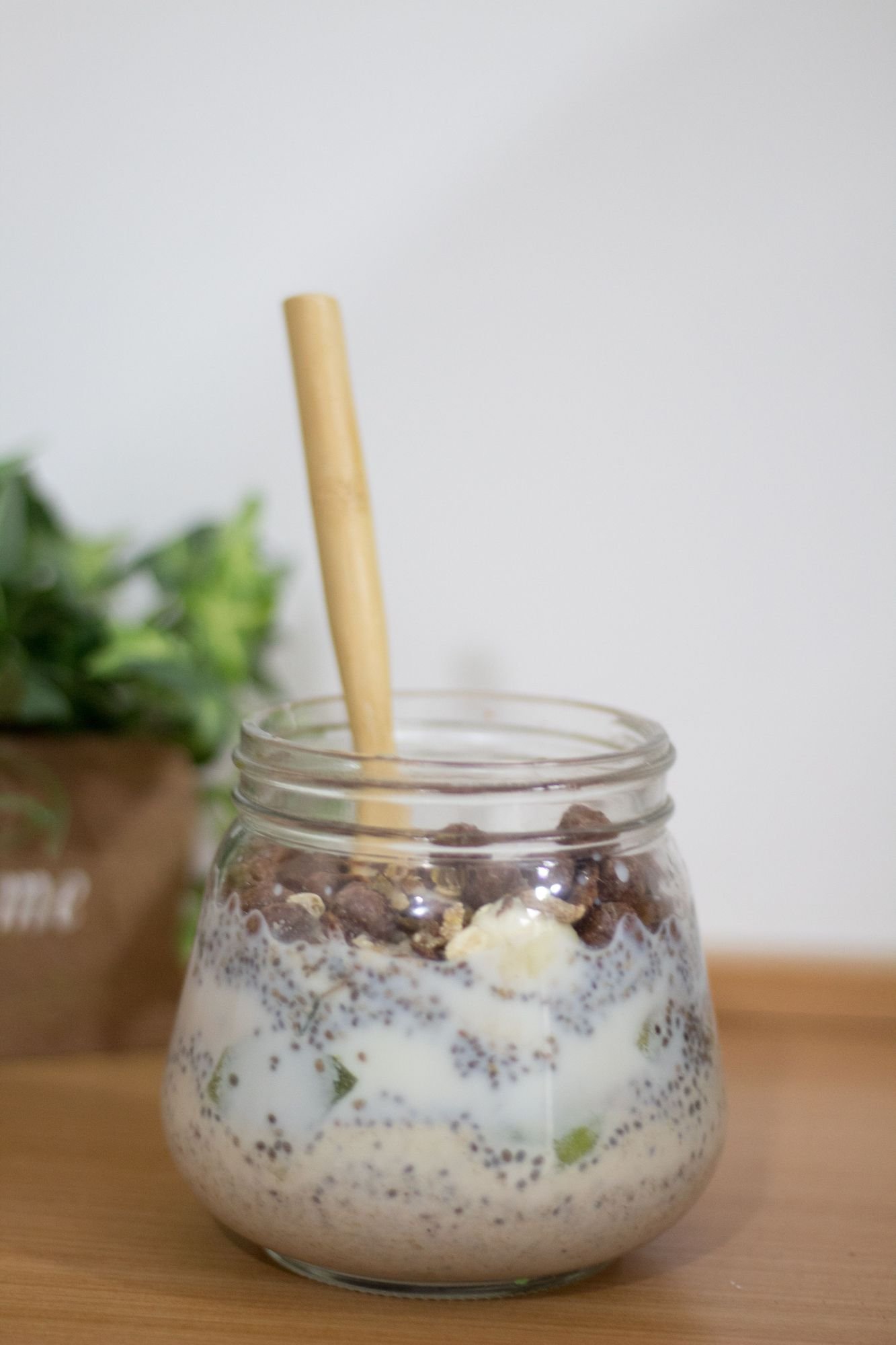
Overnight oats/chia pudding 3–4 days Not worth it; texture suffers
Egg muffins/frittata 3–4 days Up to about 1 month (Mayo Clinic’s frittata guidance)
Breakfast burritos 3–4 days Within a few months, wrapped individually
Savory Breakfast Ideas
If sweet breakfasts leave you hungry by ten, a savory plate is worth testing.
10. Veggie scramble. Cook whatever vegetables are going soft in the fridge (spinach, peppers, mushrooms) first, then add the eggs. This is one of the best uses of leftover produce.
11. Breakfast tacos. Eggs, beans, salsa and a small corn or whole-grain tortilla. Tacos suit families because everyone assembles their own, which helps with picky eaters.
12. Tofu scramble. A solid plant-based option. Crumble firm tofu into a pan with turmeric, garlic and vegetables. It needs more seasoning than eggs, so taste as you go.
13. Dinner leftovers. Rice and vegetables with an egg on top is a perfectly good breakfast. Nothing says breakfast has to look like breakfast.
Breakfast Ideas for Mornings on the Go and Weekends
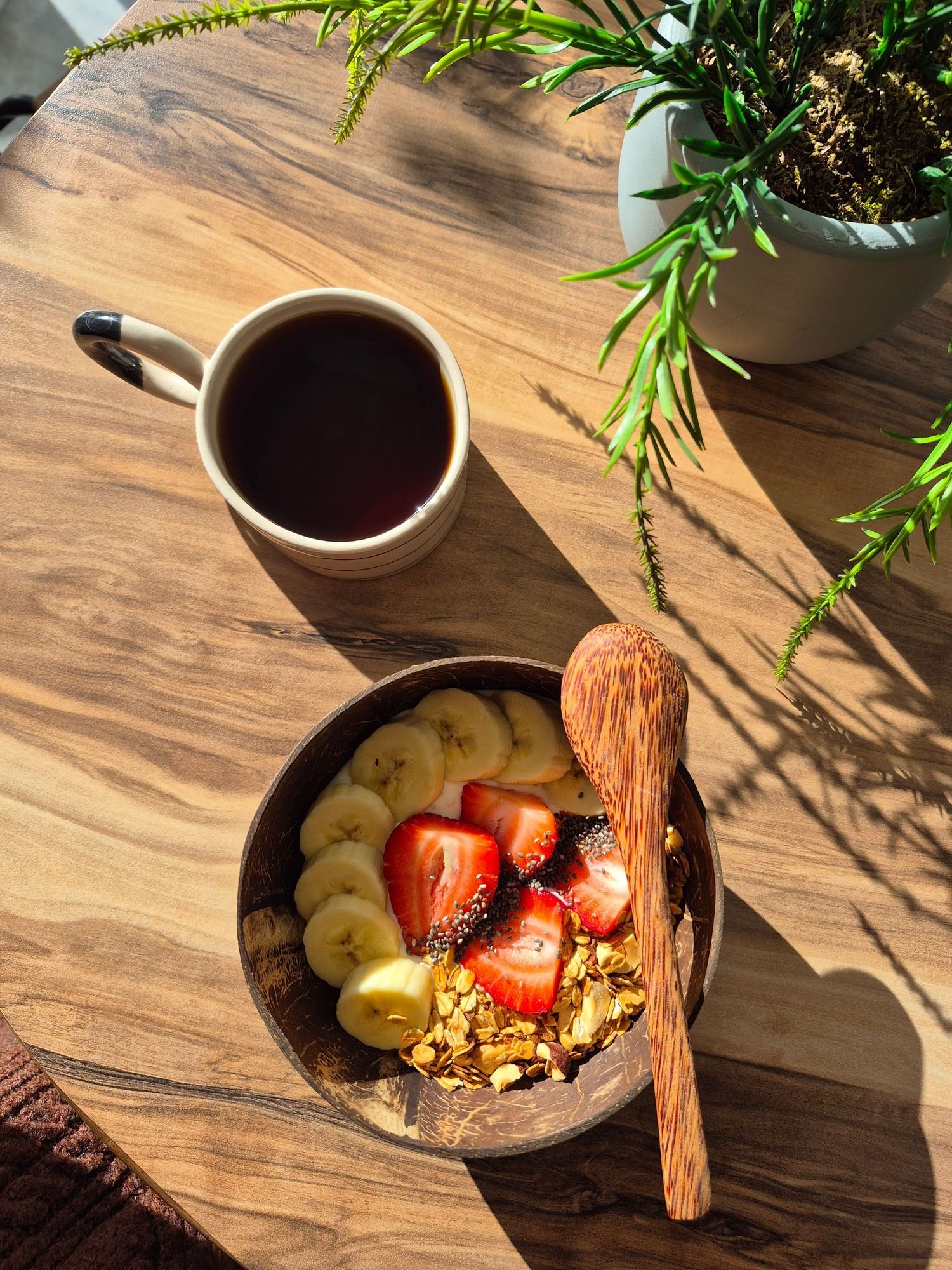
Not Sure What to Make for Breakfast? Pick by Situation
Your morningTry
No time at all Yogurt bowl, fruit with cheese and crackers
Hate cooking Overnight oats, cottage cheese bowl
Need to leave the house in 10 minutes Freezer burrito, hard-boiled eggs and fruit.
Feeding a family Breakfast tacos, egg muffins
Not hungry until later Smoothie, or eggs mid-morning
Prefer savory Veggie scramble, tofu scramble, leftovers
Set Up a Breakfast Station
One important tip: avoid overbuying. A breakfast station works best when it remains compact. Having three or four reliable breakfast options that you rotate is more effective than trying to manage twelve recipes that you never fully prepare.
Here’s a simple 45-minute weekend prep plan:
- Boil six to eight eggs.
- Bake a tray of egg muffins or a frittata.
- Make three jars of overnight oats.
- If you have time, wrap and freeze a few burritos.
- Wash and cut fruit, and label the containers with the date you prepared them.
The labeling matters. It’s the easiest way to follow the 3-to-4-day rule.
Common Mistakes With “Healthy” Breakfasts
- Trusting the front of the package. Granola, instant oatmeal packets and “protein” cereals can carry a lot of added sugar. Read the added sugar line.
- A carb-only breakfast. Toast and juice, or a bagel on its own, tends to leave you hungry sooner. Add an egg, yogurt or nut butter.
- Prepping too much. Cooked make-ahead food only lasts 3 to 4 days. Freeze the extras the same day.
- Flavored yogurt as the default. One container can use up the whole 10-gram allowance.
- Forcing breakfast you don’t want. If you aren’t hungry, eating a bit later is a reasonable option.
FAQ
What is the healthiest breakfast to eat every day?
There isn’t one breakfast that everyone needs to eat every morning. A simple meal with some protein, fiber, and fruit or vegetables is a good place to start. Eggs with vegetables and whole-grain toast are one option, while oatmeal topped with berries and nuts is another. Having a few favorites to rotate through can make healthy eating feel much easier to stick with.
How much protein should a healthy breakfast have?
There isn’t a set amount of protein that everyone needs at breakfast. Your appetite can be a useful guide. If breakfast keeps you satisfied until lunch, it’s probably working well for you. If you’re reaching for a snack just a couple of hours later, try adding a protein-rich food such as Greek yogurt, eggs, cottage cheese, or nuts.
Is it okay to skip breakfast?
For many adults, skipping breakfast can be perfectly fine. Research has not shown that simply eating breakfast prevents weight gain. What matters more is the overall quality of your diet throughout the day. However, if you have diabetes or take medication that needs to be taken with food, it’s a good idea to ask your doctor or dietitian before regularly skipping breakfast.
How long do make-ahead breakfasts last?
It depends on the food, but cooked leftovers generally keep for about 3 to 4 days when refrigerated at 40°F or below, according to the USDA. If you know you won’t eat something within that time, freezing it is a better option. When reheating leftovers, make sure they reach 165°F.
Can I eat dinner leftovers for breakfast?
Yes. Rice, vegetables and eggs, or roasted vegetables in a tortilla, are good savory options, as long as the leftovers are still within the 3-to-4-day window.